
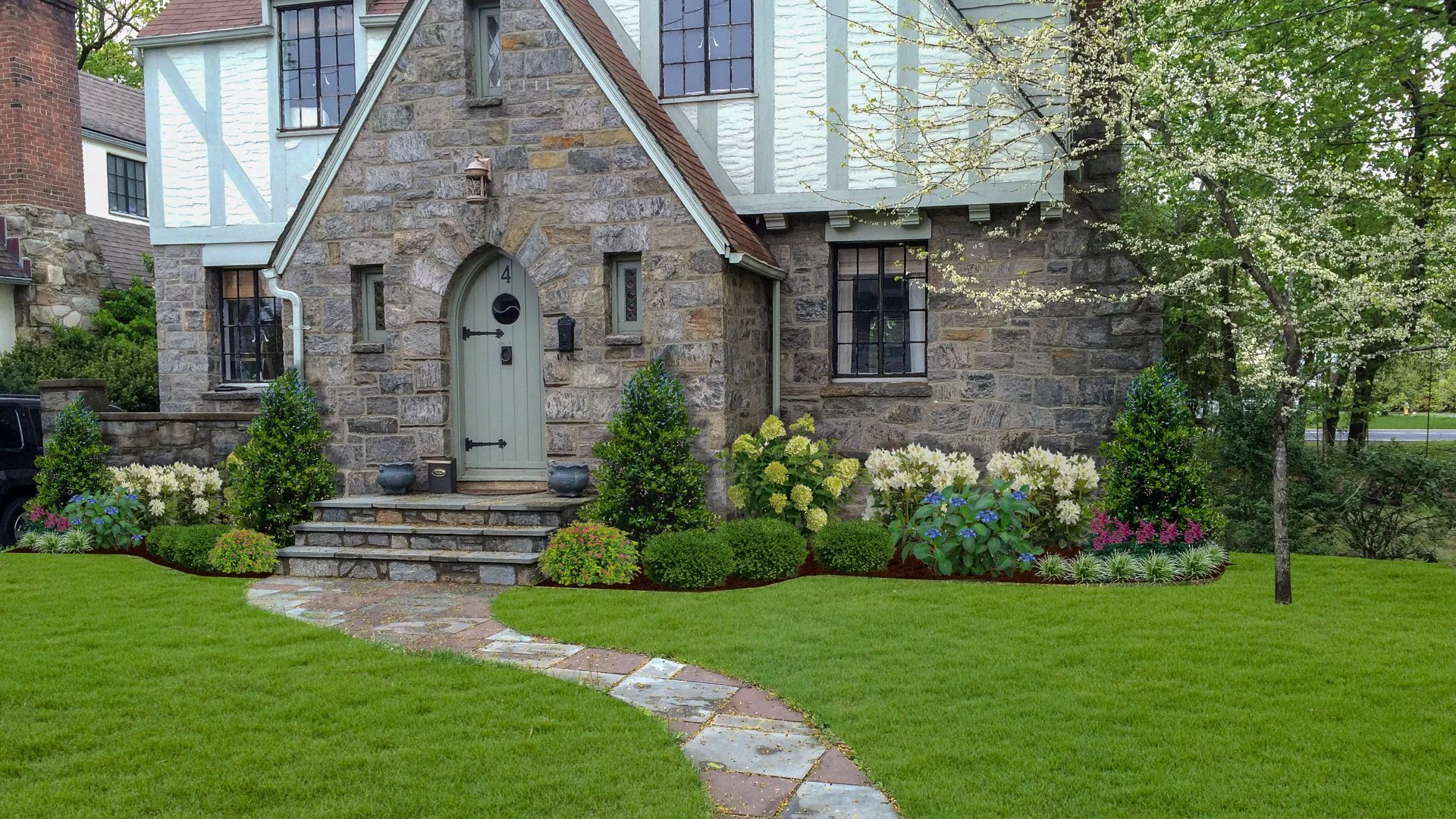
Greenwich Connecticut Outdoor Property Guide for Coastal Beds, Drainage, and Outdoor Living
Greenwich, Connecticut compresses coastal exposure, inland wood lines, and formal terraces into zip codes 06830 and 06831. A lot in Old Greenwich faces salt air and wind that a Glenville slope never sees. A Belle Haven arrival path may combine stone, lawn, and specimen beds in twenty feet. This guide explains how coastal beds, drainage, and outdoor living priorities shift by neighborhood so you can talk with estimators using the same vocabulary our Greenwich service area page uses. Bellantoni Landscape has served Fairfield County since 1963, including daily routes across Riverside, Cos Cob, and Byram.
How Greenwich lots differ by neighborhood
Greenwich is not one soil story. Coastal pockets near Long Island Sound carry salt spray, wind prune, and faster corrosion on metal fixtures. Inland sections toward Glenville and the Merritt corridor carry steeper grades, clay bowls, and wooded edges that shape tick habitat. Mid country estates mix open turf with long drives that hide drainage issues until a storm sits on the calendar.
When you request a quote, name the neighborhood, not only the town. Crews route differently for a compact Cos Cob side yard than for a wide Riverside lawn that drains toward a seawall. Photos that show the whole arrival path from street to terrace beat aerial guesses every time.
Compare your lot to the closest match below, then read the sections on beds, water, and outdoor living that apply to your first project this season.
Coastal beds: salt, wind, and plant choice
Coastal beds in Old Greenwich, Riverside, and Belle Haven take salt film on evergreen needles, wind burn on tender leaves, and sand grit in litter layers. Plant palettes that work inland may fail within a quarter mile of open water if exposure faces southwest storm fetch. Choose species rated for salt and wind when screens must live on the water side of the terrace.
Mulch depth still matters against foundations. Two inches on prepared soil beats six inches piled against siding. Pair bed work with mulch installation visits that follow cleanup so salt crust and winter litter do not stay trapped under fresh color.
Seasonal color near outdoor kitchens needs irrigation discipline. Overspray on salt stressed foliage invites leaf burn faster than inland beds. If you host weekly on a coastal terrace, tell designers when you dine so annual flowers and drip zones align with real chair placement, not only with photos from a catalog.
For wider planting strategy on formal borders, landscape design visits should note prevailing wind and salt exposure before stone caps are cut. Moving a bed line two feet can matter more than swapping one cultivar for another.
Drainage: from roof to seawall
Greenwich drainage stories often start at the roof, run across stone, then finish at a lawn bowl or seawall line. Coastal properties may see tide influenced groundwater in low pockets even when the sky is dry. Inland properties may see spring bowl water that lingers until aeration and grading align. Photograph sheet flow during rain from leader shoe to lowest point.
Yard drainage solutions combine surface grading, catch basins, and subsurface pipe. Leaders that dump across walks create ice and algae habits that guests notice before any bed issue. Extend hard pipe where frost heave knocked shoes out of alignment, then read gutter aim the same day you inspect patio pitch.
Older systems gurgle after coastal storms when sand clogs grates. Schedule yard drain repairs and cleaning before you reset pavers on a chronic puddle. New yard drain installation should be drawn with patio pitch so trenches are not cut twice when outdoor living expands next year.
Where interior water history exists, review flood management so exterior hardscape does not send volume toward a foundation that already struggles in heavy rain. The article on puddles that linger applies inland even when your address says Connecticut.
Outdoor living: terraces, kitchens, and light
Greenwich outdoor living often centers on stone terraces, seat walls, and kitchens that must work in coastal glare and inland shade alike. Material context for freeze and thaw lives in patio and walkway materials for local winters. Natural stone, concrete, and clay brick each shed water differently. Repairs should respect how the original terrace was built.
The outdoor living hub covers patios, walkways, kitchens, and landscape lighting. Long guest evenings depend on timer zones and path continuity as much as on fixture count. Read landscape lighting timer habits before you host a full table after dusk.
Coastal metal fixtures and grill hardware need inspection seasons inland owners skip. Corrosion at a rail post is a safety story guests remember. Plan lighting so tread noses read without glare into neighbor windows on tight Cos Cob lots.
If furniture zones never move, joints and turf edges tell you where to reset stone or widen mowing bands. Rotate heavy pieces when you can, or plan pad resets where wheels and heels repeat every weekend.
Edges, pests, and dining season
Wooded edges on inland Greenwich lots and dune style litter bands near the Sound both hold tick habitat at ankle height. Guests stand at edges with drinks, not in center turf. Read tick habitat along property edges for litter, mowing, and perimeter timing before outdoor dining season fills every weekend.
Pest control programs work on rhythm. Book perimeter visits before the first long evening with bare ankles, not after a tick appears on a guest. Pair sprays with edge cleanup so product reaches the ground under litter.
Mosquitoes still find covered corners where cushions never fully dry. Drainage and irrigation fixes belong in the same conversation as pest visits when a low terrace corner stays damp after modest rain.
Lawn and irrigation on Greenwich calendars
Cool season turf on Greenwich lawns needs height and feeding discipline before heat arrives. Coastal wind can dry crowns faster than inland shade even when temperatures match. A lawn care program should note exposure when estimators set mowing and fertilization rhythm.
Irrigation startups reveal tilted heads, shrub growth in arcs, and zones that spray across new stone. Walk the system at dusk once and mark arcs that hit dining tables. Pair irrigation with when to turn on sprinklers for timing context that fits Fairfield County.
If you are unsure whether patio, drainage, irrigation, or pests should lead budget, take the outdoor living priority quiz for a fast sort into service hubs.
Neighborhood quick notes
Belle Haven and Old Greenwich
Expect salt exposure, tight property lines, and arrival paths that mix stone and lawn in one view. Prioritize fixture corrosion checks, salt wise planting, and leader routing before major color installs.
Riverside and Cos Cob
Mix coastal wind with village density. Lighting glare into neighbor windows is a common review topic. Keep path zones separate from accent tree zones on timers.
Byram and Glenville
More grade change and wooded edges than waterfront terraces. Drainage photos during rain and edge mowing bands matter as much as patio resets.
Central Greenwich and mid country roads
Long drives hide bowl drainage until storms stack. Send wide shots from roof line to lowest lawn so estimators see the whole water path.
What to send when you request help
Photos at dusk, rain day sheet flow shots, neighborhood name, and your first outdoor dining date speed estimates across Greenwich. Mention pets, coastal exposure, and whether you host weekly or only on holidays. Bellantoni crews already route through Stamford and Westchester County daily, so sequencing with nearby towns stays practical when your project spans walls, drains, and terraces together.
Bottom line for Greenwich outdoor property
Greenwich rewards neighborhood specific habits: salt wise beds on the Sound, honest drainage from roof to low point, outdoor living that respects glare and edges, and pest rhythm tied to how you actually dine outside. Start from the Greenwich service area page, add photos that show your real arrival path, and name the project that would ruin your first big evening if you ignored it until August. We will route coastal beds, drainage, lawn, irrigation, outdoor living, and pest teams in an order that fits your street, not only your calendar.
Schedule Work in Greenwich
Tell us your neighborhood, exposure, and first outdoor dining date. We coordinate beds, drainage, outdoor living, and pest visits across Fairfield County.