
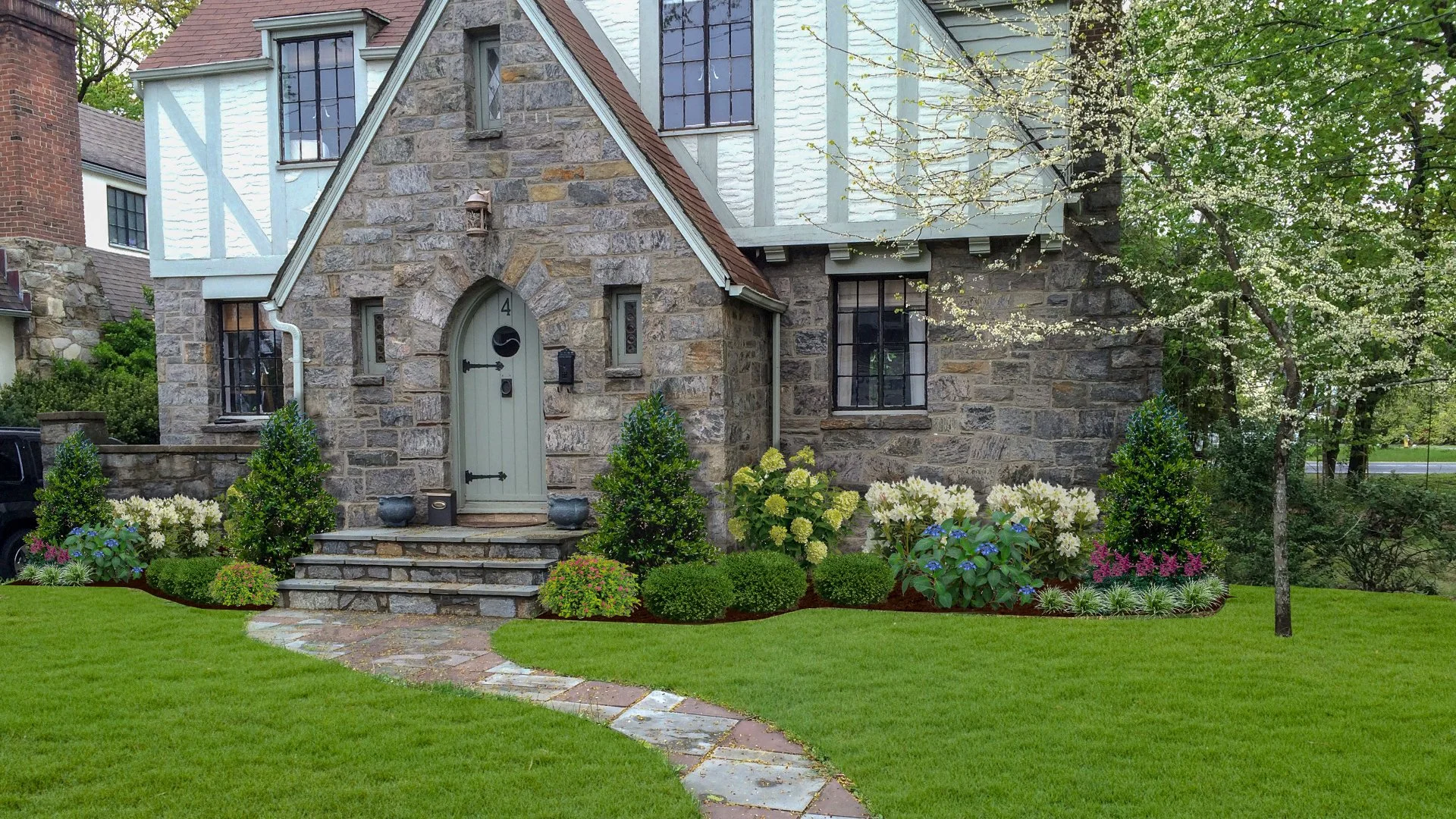
What Landscaping Services Include for Homes and Businesses
If you have ever looked at your yard or property and thought, “I need landscaping services,” you already know the problem: that phrase can mean almost anything. It might mean weekly mowing, a new patio, mosquito treatment, fixing a soggy lawn after a hard Westchester storm, or all of it at once. In plain English, landscaping services are the planning, installation, care, and repair of outdoor spaces so your property looks better, works better, and stays healthier over time.
Here’s what you’ll learn in this guide:
- What landscaping services usually include
- The difference between lawn care and full landscaping
- Which services are one-time projects or recurring visits
- What homes and businesses typically need
- How to choose the right mix for your property
What landscaping services actually cover
“Landscaping” gets used as a catch-all term, and that is where confusion starts. Some people use it to mean basic lawn maintenance. Others use it for larger outdoor upgrades like plantings, walkways, retaining walls, drainage work, or irrigation.
The simple truth is that landscaping services usually cover three buckets: outdoor care, outdoor improvements, and ongoing maintenance. That means a company may handle routine mowing and fertilization, install shrubs and patios, and come back seasonally for cleanup, pruning, and plant health treatments. For a home, that often means curb appeal and easier outdoor living. For a business, it usually means appearance, safety, and a property that feels well-kept the second somebody pulls into the lot.
The simple definition of landscaping services
Landscaping services include planning, installing, improving, and maintaining outdoor spaces. Some jobs happen once, like building a paver patio or regrading a wet corner of the yard. Others happen on a schedule, like mowing, weed control, bed maintenance, and seasonal cleanup.
That distinction matters. A one-time project changes the property. A recurring service keeps it from sliding backward a month later.
Residential vs. commercial landscaping
Homes and commercial properties need a lot of the same things, just for different reasons. At home, you usually care about enjoying the yard, keeping it neat, and avoiding weekend chores that never seem to end. At a business, the landscape also has to hold up to heavier foot traffic, stay clear around entries and sidewalks, and create a polished first impression.
Think about the difference between a backyard in White Plains and a storefront in Greenwich. Both benefit from healthy grass, trimmed shrubs, and clean walkways. But a commercial property has less room for overgrowth, standing water, or slippery paths. It has to function cleanly every day, not just look nice on Saturday afternoon.
Core lawn care services you can expect
Lawn care is usually the first thing that comes to mind, and for good reason. Grass covers a lot of ground, literally, so when it looks rough, the whole property feels off.
Mowing, edging, and trimming
Routine mowing keeps the lawn at a healthy height and stops it from looking shaggy or uneven. Trimming handles the spots a mower cannot reach, like fence lines, around trees, and tight edges near planting beds. Edging creates that crisp border along driveways, sidewalks, and curbs that makes everything look finished.
This is the difference between “someone cuts the grass” and “the property looks maintained.” The cut matters, but the cleanup lines matter too.
Fertilization and weed control
A healthy lawn does not happen by accident. Fertilization feeds the grass through the growing season, while weed control targets unwanted growth before or after it appears. Pre-emergent treatment aims to stop weeds before they sprout. Post-emergent treatment deals with weeds already pushing through.
The trick is not just killing weeds. It is helping the turf grow thick enough to crowd weeds out in the first place. Thin, hungry grass is basically an open invitation.
Aeration and overseeding
Aeration sounds technical, but the idea is simple: small plugs of soil get pulled from the lawn to loosen compacted ground. That gives air, water, and nutrients a better path into the root zone.
Overseeding comes right after, with fresh grass seed spread into thin or worn areas. This is especially helpful if the lawn took a beating over summer or the soil is dense and clay-heavy, which is common in parts of Westchester County and nearby Connecticut. If your lawn feels hard underfoot and never seems to thicken up, this is usually why.
Seasonal cleanups
Spring and fall cleanup keeps the landscape from carrying one season’s mess into the next. That can include leaf removal, stick and debris clearing, cutting back perennials, tidying bed edges, and getting lawn and planting areas ready for fresh growth or winter dormancy.
It is not glamorous work, but it makes a huge difference. A property can have healthy plants and still look neglected under a blanket of wet leaves and broken branches.
Landscape bed and planting services
Landscaping is not just lawn work. Beds, shrubs, flowers, and small trees do a lot of the visual heavy lifting, and they need regular attention if you want the property to look intentional instead of patchy.
Mulching and bed maintenance
Mulch does more than make beds look fresh. It helps soil hold moisture, moderates temperature swings, and cuts down on weed growth. Bed maintenance usually includes weeding, redefining bed edges, removing debris, and refreshing mulch when it starts to break down or fade.
Fresh mulch is one of the fastest ways to make a property look cleaner. It is a little like repainting trim inside the house. Nothing changed structurally, but everything looks sharper.
Shrub and hedge trimming
Trimming shrubs and hedges is partly about shape and partly about plant health. Overgrown plants can block windows, crowd walkways, hide signage, and trap moisture where diseases start. Proper pruning also helps plants keep a balanced structure instead of turning into bulky green blobs.
Timing matters here. Some shrubs respond well to shaping during active growth, while others need more selective pruning after flowering or during dormancy.
Flower, shrub, and tree planting
Planting services can include seasonal flowers, foundation plantings, privacy screens, replacements for dead shrubs, or small ornamental trees. Good planting work is not just picking what looks nice at the garden center. It means matching the plant to the amount of sun, the soil conditions, drainage, and the space it will need a few years from now.
That last part gets ignored all the time. A shrub that looks neat in a two-gallon pot can turn into a window-blocking headache if it was planted in the wrong spot.
Hardscaping and outdoor build services
Here’s where landscaping starts to overlap with outdoor construction. Hardscaping covers the non-plant features that give structure, access, and usable space to a property.
Patios, walkways, and steps
Patios, stone paths, paver walks, and steps make outdoor areas easier to use and easier to navigate. A patio can turn dead backyard space into a place you actually spend time. A walkway can solve the muddy shortcut problem where everybody already walks across the grass.
That is the key with hardscaping. The best projects usually fix a real behavior pattern, not just add decoration.
Retaining walls and grading
Retaining walls hold back soil and create level areas on sloped properties. Sometimes that is about appearance. Often it is about function, erosion control, and making a space usable.
Grading means reshaping the ground so water flows where it should. If water keeps sitting near the house, washing across a sidewalk, or pooling at the base of a slope, grading is often part of the fix.
Outdoor living features
Some landscaping companies also build fire pits, seating walls, decorative stone areas, and similar features that make a yard feel finished. For a home, that can mean a more useful backyard. For a business, it can mean more polished common areas, entry zones, or outdoor gathering spots.
Drainage, irrigation, and water management
This is one of the most practical parts of landscaping, and honestly, one of the most valuable. A property can look good on a dry day and still have major problems underneath.
Drainage solutions
Drainage services may include French drains, catch basins, swales, downspout extensions, or regrading. The purpose is simple: move water away from spots where it causes damage or keeps the ground saturated.
Signs you need drainage help are easy to spot. Soggy turf that never dries out. Puddles near the foundation. Water cutting across walkways after a hard storm. Bare soil washing downhill. If any of that sounds familiar, pretty plantings alone will not solve it.
Irrigation system installation and maintenance
Irrigation includes sprinkler system installation, drip irrigation for planting beds, seasonal startup, winterization, and repairs. Broken heads, leaking valves, and poor coverage waste water and leave parts of the property stressed while other parts get soaked.
A good irrigation setup waters the right zones at the right rate. Lawn areas, shrubs, and flower beds do not all need the same treatment, and your system should reflect that.
Water-smart landscape planning
Water-smart planning brings the pieces together. Plant selection, mulch, drainage, and irrigation zoning can all reduce waste while keeping the landscape healthier. That means less guesswork, fewer dry patches, and fewer areas that stay wet enough to invite disease.
Plant health care and pest control services
A landscape can be neat and still be unhealthy. Plant health care and outdoor pest control go beyond appearance and deal with what is happening in the turf, shrubs, trees, and surrounding outdoor areas.
Tree and shrub health treatments
Plant health care usually starts with inspection. Leaves may be discolored, branches may be thinning, or shrubs may be declining for reasons that are not obvious from across the driveway. Treatments can include deep root feeding, dormant oil applications, insect control, disease management, and targeted nutrient support.
The catch is that stressed plants often look similar from the outside. Drought stress, poor drainage, scale insects, and nutrient issues can all show up as “something looks wrong.” Proper diagnosis matters.
Lawn pest and disease control
Lawns deal with more than weeds. Grubs, fungal issues, insect feeding, and disease patches can all weaken turf fast, especially in hot, humid stretches. Service usually includes checking for damage patterns, identifying the likely cause, and applying the right treatment at the right time.
Timing is a big deal here. If grubs are active, waiting too long turns a treatable issue into a lawn that peels back like old carpet.
Perimeter pest control for outdoor areas
Some landscaping companies also offer mosquito, tick, flea, and perimeter insect treatments for yards and common areas. This is especially useful on shaded, wooded, or damp properties around Westchester County and nearby Connecticut, where outdoor comfort can disappear fast in summer.
If pests are the reason you stop using the yard at dusk, this kind of service is not extra. It is functional.
Landscape design and planning services
Not every job starts with a shovel. For larger upgrades, the planning stage is where you avoid expensive mistakes.
Site evaluation and goal-setting
A site evaluation looks at sun and shade, drainage, slope, traffic flow, privacy needs, and how you want the space to function. Maybe your goal is a lower-maintenance front yard. Maybe it is screening a neighboring property. Maybe it is making the entry look more polished for customers or visitors.
Good planning starts with how the space needs to work, not just what you want it to look like.
Design concepts and material selection
Design services may include layout ideas, plant palettes, hardscape materials, lighting concepts, and choices that fit the style of your property. The best designs balance looks, maintenance, durability, and budget.
A beautiful plan that ignores drainage or foot traffic is not really a good plan. It is just a nice drawing.
Phased projects for larger properties
Bigger jobs do not always need to happen all at once. A project can be broken into stages, such as solving drainage first, then updating planting beds, then adding a patio, entry walk, or lighting later.
That approach makes a lot of sense when the property has multiple issues competing for attention.
Specialty and seasonal landscaping services
In a four-season area, landscaping changes through the year. Some services only show up for a short window, but they matter.
Spring openings and fall shutdowns
Spring service often includes bed prep, pruning, debris removal, mulch refreshes, and irrigation startup. Fall service usually shifts toward leaf cleanup, cutting back certain plantings, protecting sensitive areas, and winterizing irrigation systems.
These seasonal transitions keep small problems from turning into bigger ones. A missed irrigation blowout or a bed left packed with wet leaves can create headaches later.
Snow and ice management for commercial properties
Some landscape companies also handle winter work for businesses, including plowing, salting, sidewalk clearing, and site checks during storms. For commercial properties, this matters because exterior safety does not stop when the grass does.
If you manage a property, year-round service from one company can make life simpler.
Landscape lighting and exterior touch-ups
Landscape lighting can include path lights, uplighting, entry lighting, and occasional seasonal or holiday lighting. Smaller exterior touch-ups may include stone refreshes, bed adjustments, or minor visual fixes that help the property feel finished after dark.
Lighting is one of those upgrades that often gets underestimated until you see the difference at 7:30 on a winter evening.
What a landscaping service visit or consultation usually includes
A consultation should not feel mysterious. In most cases, it is a straightforward walkthrough of what is working, what is not, and what needs attention first.
Property walkthrough and problem spotting
During a walkthrough, the lawn condition, planting beds, shrubs, drainage trouble spots, hardscape wear, and overall maintenance needs get reviewed. You may point out obvious issues, like a dying hedge or standing water by the walkway, but a good visit also catches the less obvious stuff.
Sometimes the most useful part is hearing why a problem keeps repeating.
Service recommendations and scope of work
You should expect a clear scope of work that spells out what is included, how often visits happen, what materials are part of the service, and what gets priced separately. If fertilization, mosquito control, mulch, cleanup, or irrigation repairs are not included, that should be obvious up front.
Vague proposals cause frustration later. Clear ones save time.
Questions worth asking before you hire
Before hiring, make sure you know if lawn treatments are part of the plan, if cleanup is included on regular visits, who handles pest control or plant health care, and how seasonal services get scheduled. You also want to know where recurring maintenance stops and project work begins.
That sounds basic, but it prevents most of the confusion people have with landscaping.
How to choose the right landscaping services for your property
The best service mix depends on your biggest problem, not on the longest menu of options.
If your main issue is maintenance
If the property mostly needs to stay tidy, healthy, and under control, focus on mowing, bed care, fertilization, seasonal cleanup, and trimming. That combination handles the day-to-day visual stuff that tends to slip first.
If your main issue is function
If the property looks decent but frustrates you in daily use, focus on drainage, grading, irrigation, walkways, retaining walls, or lighting. Function problems have a way of turning into appearance problems anyway, so fix those first.
If your main issue is appearance
If your goal is stronger curb appeal, look at design updates, fresh mulch, seasonal color, new planting, and hardscape improvements. For a home, that can make the place feel better the moment you pull in. For a business, it changes first impressions fast.
What landscaping services do not always include
“Full service” sounds clear, but it is not always as broad as it seems.
Common exclusions
Some companies do not handle large tree removal, certified arborist work, fence installation, pool construction, major excavation, or specialty masonry. Others may subcontract those jobs or skip them entirely.
That is normal. It just means you should check instead of assuming.
Why service packages vary
Some companies focus mostly on maintenance. Some lean into design and installation. Some handle lawn care, plant health, drainage, and hardscaping under one roof. The right fit depends on the kind of help you actually need.
Matching the company to the job works better than expecting every landscaper to do everything.
Building the right service plan for your home or business
A good landscaping plan should solve real problems, not just stack up extra line items.
A simple way to prioritize
Start with the biggest pain point. Maybe it is an overgrown lawn, water pooling near the front walk, shrubs that keep dying, pests that push you indoors, or a business entry that looks tired. Fix the thing that bothers you most or causes the most trouble day to day.
That gives the rest of the plan a clear order.
When bundled service makes life easier
Bundling lawn care, bed maintenance, plant health care, and seasonal cleanup often makes the property look more consistent because nothing falls through the cracks between separate visits. It is easier to keep momentum when the same overall plan carries from spring growth through fall cleanup.
For many properties, that consistency matters more than any one flashy upgrade.
One good first step
Walk the property once, slowly, and write down the three things that bug you most. Keep it simple. If you start there, you will have a much clearer way to ask about landscaping services and a much better shot at getting a plan that actually fits your home or business.
Disclaimer: This article is for general informational purposes only. It is not professional advice, a quote, or a service agreement. Conditions at your home or property may differ; contact a qualified professional for an on-site evaluation before making repair, safety, or spending decisions.