
Choosing Patio and Walkway Materials That Hold Up in Westchester Winters
A new patio or walkway in Scarsdale or Rye has to handle dozens of freeze and thaw cycles every winter. The wrong material can crack, heave, or flake in a few years. Here is how to choose surfaces that last in our climate and still look good.
Why Winter Weather Is Hard on Patios and Walkways
In Westchester County and Greenwich, the ground freezes in winter and thaws in spring. Water in the soil or in cracks expands when it freezes and can push slabs and stones up. When the ground thaws, things settle again. That cycle repeats year after year. Materials that are too brittle, poorly installed, or not meant for cold climates can crack, pop, or shift. The goal is to choose materials that handle that movement and to make sure they are installed with proper base and drainage so water does not sit under the surface.
Concrete
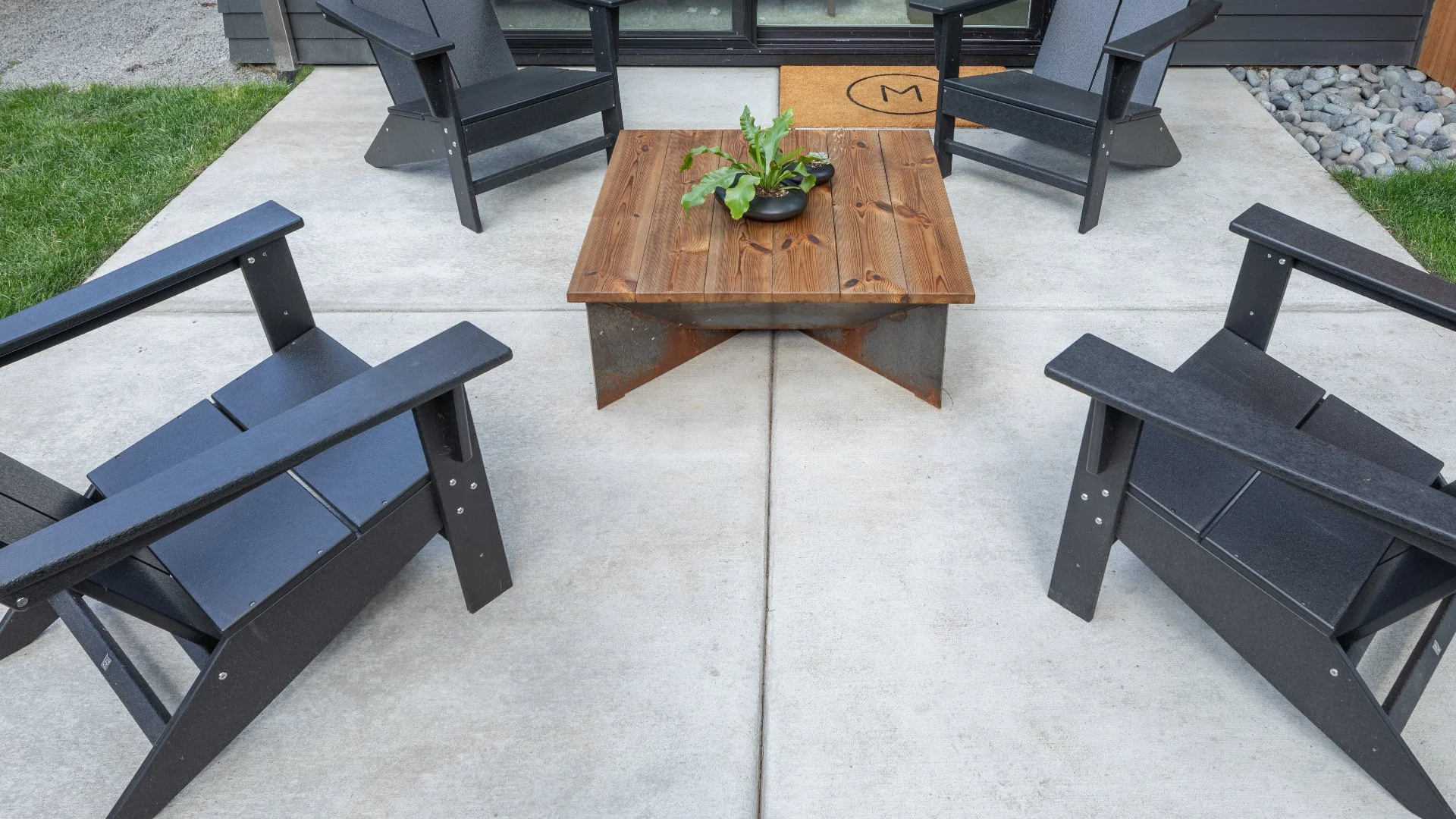
Concrete is common for concrete patios and walkways in White Plains, Hartsdale, and Greenwich. When it is poured at the right thickness and over a good gravel base, it can last for decades. In our area, the main risks are surface scaling (flaking from salt and freeze thaw) and cracking if the base is weak or the slab is too thin.
What to do
- Use a mix that is rated for freezing weather and avoid too much water in the mix so the surface is strong.
- Install on a compacted base (usually several inches of gravel) so water drains away and the ground does not heave unevenly.
- Consider sealing the surface to reduce water and salt penetration. Use deicing products sparingly; some chemicals speed up scaling.
Concrete is a solid choice for driveways and large patios when the install is done right. It is less forgiving than pavers if something goes wrong with the base, so hiring a crew that knows local soil and drainage matters.
Pavers (Concrete or Stone)
Pavers are individual units set on sand (and sometimes gravel). Because they are not one big slab, they can move slightly with the ground without cracking. If one paver is damaged or stained, it can be replaced. That makes them a popular choice for patios and walkways in Bronxville, Larchmont, and Greenwich.
What to look for
- Concrete pavers that are made for freeze thaw (many are). Avoid cheap, thin pavers that can spall or break.
- Natural stone pavers (bluestone, flagstone) hold up well in cold climates if they are dense and properly set. Thicker stone is more durable.
- Edging and proper base are critical. Without a solid edge and good drainage, sand can wash out and pavers can shift.
Pavers cost more per square foot than basic concrete but offer flexibility and easier repair. For a fire pit area or a main patio, many homeowners in Westchester and Greenwich choose pavers for both looks and long term performance.
Natural Stone and Flagstone
Flagstone and other natural stone give a distinct look and can last a long time when the stone is hard and the installation is done correctly. Bluestone and other regional stones are often used in our area. The main concern in winter is water getting under the stones and freezing, which can lift or crack them if the base is poor.
- Set stone on a compacted base with good drainage. Avoid trapping water under the stones.
- Use thicker stone for walkways and patios that get a lot of use or plowing. Thinner flagstone is more likely to crack under stress.
- Fill joints with a stable material (gravel or a proper joint sand) so the surface does not shift or wash out.
Natural stone fits well with retaining walls and water features for a cohesive look. A good installer will pick stone that is suitable for freeze thaw and set it so it stays put.
Brick
Brick walkways and patios have a classic look. Hard, fired brick holds up to cold and salt when it is set on a proper base. Softer or low quality brick can crumble over time. In Westchester and Greenwich, brick is often used for paths and smaller patios. Make sure the brick is rated for paving (not just for walls) and that the base and drainage are correct so water does not sit under the surface.
What to Avoid or Use With Care
- Thin tile or veneer on the ground. Tile that is meant for indoor use or thin stone veneer can crack and pop in freeze thaw. Save tile for covered areas or use materials that are meant for outdoor, ground level use.
- Poor or no base. Skipping a gravel base or compacting it poorly is the main cause of heaving and cracking. Every surface listed here needs a solid base in our climate.
- No drainage. Water that pools under the patio or walkway will freeze and cause movement. Grade and base should direct water away.
Getting It Installed Right
Material choice is only part of the story. In Pelham, Pleasantville, and Greenwich, the same material can perform very differently depending on how it is installed. A good installer will dig to the right depth, put in a compacted base, set the surface so it drains, and use appropriate edging. That is especially true for outdoor living features that you want to last for many years.
Bottom Line
For Westchester and Greenwich, choose patio and walkway materials that are made for freeze thaw and have a reputation for durability: concrete (with a good mix and base), concrete or natural stone pavers, and dense natural stone or brick. Avoid thin tile and weak bases. Invest in a proper base and drainage so your patio or walkway in Rye, Scarsdale, or White Plains holds up through many winters and still looks good.
Ready to Plan a Patio or Walkway?
We build patios and walkways that are designed for our climate. From concrete to pavers and stone, we get the base and drainage right so your project lasts.