
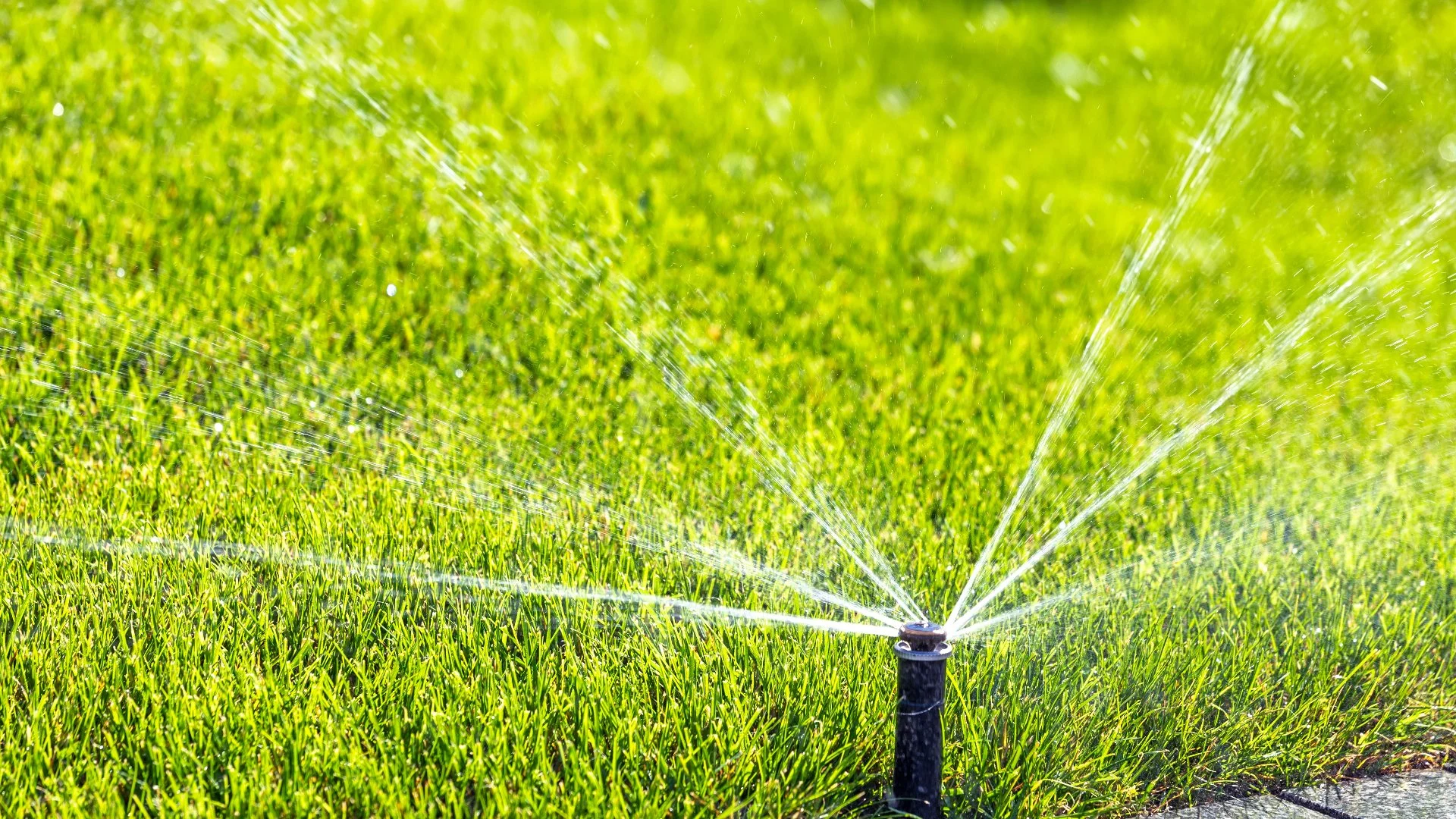
Irrigation Timer Curves When Heat Scores Fairfield County Lawns Daily
Controllers that still run spring minutes leave blue gray footprints on Scarsdale lawns by afternoon while beds on the same zone look fine until they wilt overnight. Cool season turf in Westchester and Greenwich changes daily water demand once heat scores the same strip of grass every day for a week. School traffic returns to side gates, camp carpools cross side yards, and guest weekends stack on patios that need dry walks, not overspray. This guide focuses on timer curves, soak cycles, and zone honesty after the first sustained warm stretch, not on turning the system on for the first time.
Why spring minutes fail once heat arrives
Spring programs assume shorter days, cooler soil, and roots that still drink slowly. When afternoon sun hits the same south facing strip daily, evaporation wins unless run times lengthen or split into cycles. Adding minutes to every zone at once often floods low spots while ridges still brown.
Write down which zones cover open turf versus shade under maples. Shade zones should not mirror full sun minutes. A single global bump is the most common reason owners think irrigation is broken when the real issue is uneven demand.
Zone walk after the first hot week
Walk each zone at dusk while it runs once. Mark heads that mist instead of throw, arcs clipped by shrub growth, and spray that hits stone or siding. Tilted heads create dry wedges that show up as foot traffic paths when kids cut corners after school.
Our irrigation startups and seasonal service visits include head adjustment and zone mapping. Pair a walk with when to turn on sprinklers if you are still aligning startup timing with local frost habits from earlier in the year.
Soak cycles versus one long run
Clay influenced soils in parts of Fairfield County accept water better in two short cycles than one long flood. Soak pause settings let water infiltrate before the second pass. Without soak logic, runoff reaches storm drains while the center of the lawn still stresses.
Program split cycles on full sun turf first. Watch for runoff at curb lines and adjust pause length before you add a third cycle. The goal is even color, not maximum minutes on the controller display.
Edges where school traffic meets cool season turf
Gate paths and bus corners compact soil and wear crowns faster than center lawn. Irrigation that ignores those edges leaves brown bands exactly where everyone walks. Narrow side zones or drip at beds may need separate schedules from open turf.
Pair edge recovery with overseeding plans only after water delivery is honest. Seed on compacted, oversprayed edges fails quickly. Read tick habitat along property edges for litter and mowing habits that share the same borders.
Beds and lawn on the same valve
Mixed zones are common on older Westchester installs. Turf wants deep infrequent cycles while annual color wants lighter, more frequent passes. When one valve serves both, something always loses. Note mixed zones when you request service so estimators can discuss valve splits or drip retrofits on long beds.
Plantings and softscapes that wilt while turf looks lush usually mean roots sit in spray shadow or get blasted on the same schedule as Kentucky bluegrass mixes.
Pressure, leaks, and backflow checks
Heat season exposes weak fittings. Soft spots in lawn near valves, constant wet at one head, or a meter spin when nothing should run point to leaks that waste water and steal pressure from uphill zones. Check the backflow assembly for damage after lawn mowers clip corners all spring.
Document low pressure zones before you blame heads. Sometimes the fix is supply, not hardware at the end of the line. Our irrigation team tests pressure and flow when symptoms cluster on one side of the property.
Patios, walks, and overspray honesty
Overspray onto bluestone grows algae that guests feel before they see. Arcs that hit outdoor dining tables waste water and annoy hosts. Adjust nozzles or install matched precipitation heads on zones that border patios and walkways.
If hardscape cleaning is already scheduled through hardscape cleaning and sealing, fix spray first so stone stays clean longer than one weekend.
Mowing height and irrigation together
Tall cool season turf shades crowns and slows evaporation. Scalped lawns need more water to survive the same heat. Align lawn mowing height with irrigation changes so you are not fighting two stresses at once.
Heat also pushes lawn insect activity on stressed turf. Brown patches from chinch or sod webworm look like drought. Inspect before you only add minutes.
Vacation shutoff and guest week timing
Travel weeks need a plan that is not simply off. Short vacations may allow reduced cycles with soak logic intact. Longer trips may need a neighbor check on wilting beds while turf runs on a conservative program.
Before guest weekends, run a manual cycle two days ahead and note dry wedges. Fix those zones before tables go out, not after guests arrive. Compare notes with outdoor living priorities if patio comfort and lawn color compete for the same week.
When controller upgrades beat endless tweaks
Smart controllers help when wifi signal is stable and zones are mapped honestly. They do not fix mixed valves or broken heads. Upgrade conversations belong after a physical walk, not instead of one.
Tell us your controller brand, zone count, and which areas fail first in heat. Photos of the panel and one dry wedge speed estimates. Bellantoni routes irrigation service across Westchester and Greenwich daily with lawn and outdoor living teams when fixes touch more than heads alone.
Closing walk for the week heat returns
Heat that scores the same lawn daily demands timer curves that respect sun, soil, and traffic. Split cycles on full sun turf, fix overspray on hardscape, and treat edges where school paths wear grass thin. Log one dusk walk per week until color steadies, then adjust in small steps instead of big jumps.
Call with zone notes, photos of dry wedges, and your next guest date. We will say whether you need head work, scheduling logic, or wider lawn and drainage scope to keep Fairfield County turf even through the hottest stretch ahead.
Timer Curves Still Leaving Dry Wedges?
Send controller photos, zone notes, and where traffic wears grass thin. We adjust heads, cycles, and lawn plans together.